
How to Build a Unique Brand Strategy for Your Business
- Melinda Bojte

- Apr 20
- 4 min read
When marketing efforts feel scattered and inconsistent, it’s often because the foundation—the brand identity—isn't clearly defined. A unique brand strategy is the backbone that brings structure and clarity to your marketing. It aligns your messaging, visuals, and customer experience into a cohesive system that works together, not against each other.
In this post, I’ll walk you through practical steps to create a unique brand strategy that delivers consistent results. This is about real-world application, not theory or buzzwords. Let’s get started.
Why a Unique Brand Strategy Matters
A unique brand strategy is more than just a logo or a catchy tagline. It’s the deliberate plan that shapes how your business is perceived and remembered. Without it, marketing efforts can feel like random acts of promotion, lacking focus and failing to build trust or recognition.
Here’s why investing time in a unique brand strategy pays off:
Consistency: When your brand elements align, every touchpoint reinforces your message.
Recognition: A distinct identity helps you stand out in a crowded market.
Trust: Clear and consistent branding builds credibility with your audience.
Efficiency: A defined strategy guides decision-making, saving time and resources.
For example, a coaching business that clearly defines its values, tone, and visual style will attract the right clients and make marketing easier. Without this clarity, their messaging might confuse prospects or fail to connect.
Key Components of a Unique Brand Strategy
To build a unique brand strategy, focus on these core elements:
1. Brand Purpose and Values
Start by defining why your business exists beyond making money. What problem do you solve? What values guide your decisions? This purpose becomes the emotional anchor for your brand.
Example: A leadership mentor might focus on empowering underrepresented voices, making inclusivity a core value.
2. Target Audience Clarity
Know exactly who you serve. Go beyond demographics to understand their challenges, goals, and preferences. This insight shapes your messaging and marketing channels.
Example: Service-based businesses often benefit from creating detailed client personas to tailor their communication.
3. Brand Personality and Voice
Decide how your brand speaks and behaves. Is it formal or casual? Inspirational or pragmatic? This personality should be consistent across all content and interactions.
Example: A mentor might adopt a confident but approachable tone, avoiding jargon and focusing on clear advice.
4. Visual Identity
This includes your logo, color palette, typography, and imagery style. Visuals should reflect your brand personality and appeal to your audience.
Example: A coaching business targeting young professionals might use modern fonts and vibrant colors to convey energy and optimism.
5. Brand Messaging Framework
Craft key messages that communicate your value proposition clearly and succinctly. This includes your elevator pitch, tagline, and supporting statements.
Example: Instead of vague claims, focus on specific outcomes like “Helping you build leadership skills that drive measurable results.”

Steps to Develop Your Unique Brand Strategy
Building a unique brand strategy is a process. Here’s a step-by-step approach you can follow:
Step 1: Conduct a Brand Audit
Review your current marketing materials, website, social media, and customer feedback. Identify inconsistencies and gaps.
What messages are repeated?
Are visuals aligned?
How do customers describe your brand?
This audit reveals what’s working and what needs improvement.
Step 2: Define Your Brand Foundation
Write down your brand purpose, values, and audience insights. Use this as your north star for all branding decisions.
Step 3: Develop Your Brand Personality and Voice
Create a simple guide describing your tone and style. Include examples of language to use and avoid.
Step 4: Design or Refine Visual Elements
Work with a designer or use tools to create a cohesive visual identity. Ensure it reflects your brand personality and appeals to your audience.
Step 5: Create a Messaging Framework
Draft key messages and test them with trusted clients or colleagues. Refine based on feedback.
Step 6: Document Your Brand Strategy
Put everything into a clear, accessible document. This ensures consistency across your team and marketing efforts.
Step 7: Implement and Monitor
Roll out your new brand strategy across all channels. Track engagement and adjust as needed.
Practical Tips for Consistent Brand Execution
Having a strategy is one thing; executing it consistently is another. Here are some practical tips:
Use templates for social media posts, presentations, and emails to maintain visual consistency.
Train your team on your brand voice and guidelines.
Schedule regular reviews to ensure all content aligns with your brand.
Leverage automation tools to streamline posting and monitoring.
Gather feedback from clients to see if your brand resonates as intended.
Consistency builds recognition and trust over time. It’s better to do fewer things well than many things poorly.
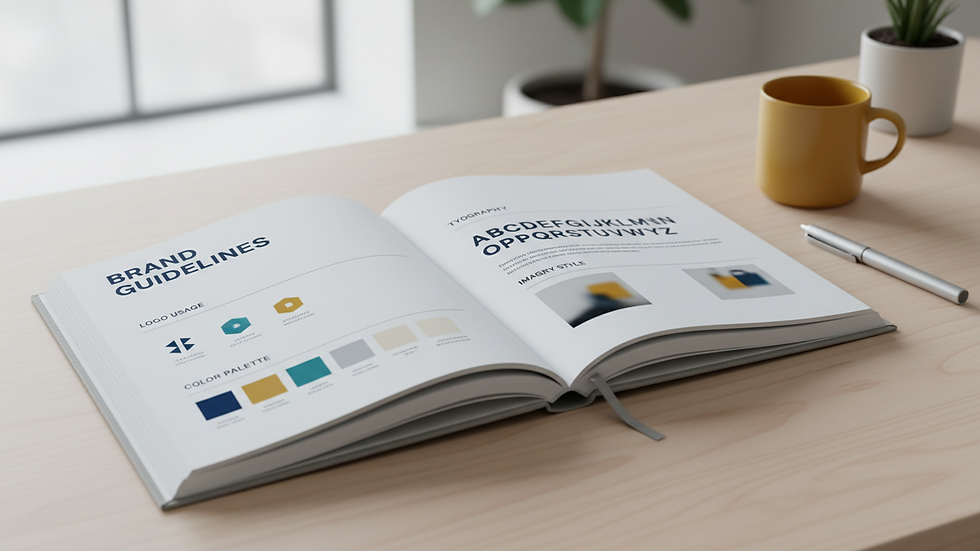
How to Craft Unique Brand Identity That Works
To truly craft unique brand identity, you need to integrate all the elements into a living system. This means your brand is not just a static logo or statement but a dynamic framework guiding every interaction.
Here’s how to approach it:
Align your marketing channels so they tell a consistent story.
Use data and feedback to refine your messaging and visuals.
Stay authentic to your brand purpose and values.
Be flexible enough to evolve without losing your core identity.
By doing this, you turn disconnected marketing efforts into a clear direction, consistent execution, and measurable progress across digital channels.
Moving Forward with Confidence
Building a unique brand strategy is an investment in clarity and focus. It transforms scattered marketing into a system that works. By defining your purpose, understanding your audience, and aligning your messaging and visuals, you create a brand that stands out and delivers results.
Remember, this is a journey. Start with small, deliberate steps and build from there. The payoff is a brand that not only looks good but drives meaningful business growth.
If you want to learn more about how to craft unique brand identity that truly reflects your business, take the time to explore practical resources and tools that support this process.
Your brand is your business’s foundation. Make it strong, clear, and uniquely yours.


Comments